Cleaning Up the Way We Build UV Lamps
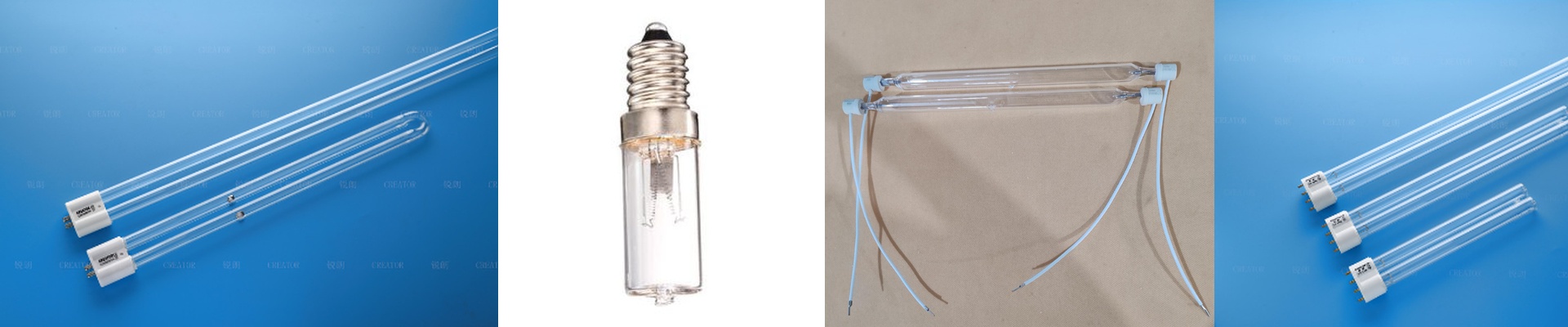
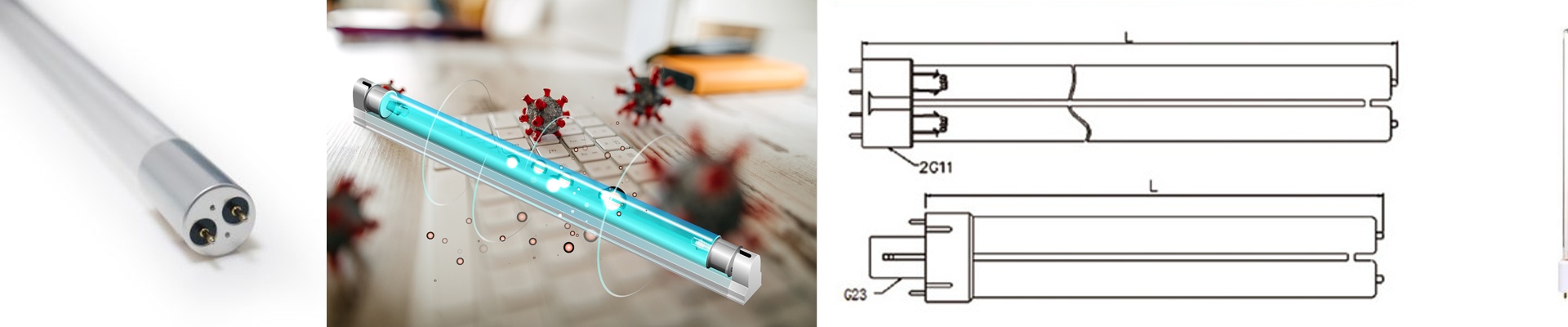
We’re changing the way industrial UV lamps are made. The goal is pretty straightforward: we want to get as close to zero pollution as possible, but we aren’t willing to sacrifice the curing speed your production line depends on. To make that happen, we’ve focused on two things: where we get our materials and how we build the electrodes.
Making the light last longer
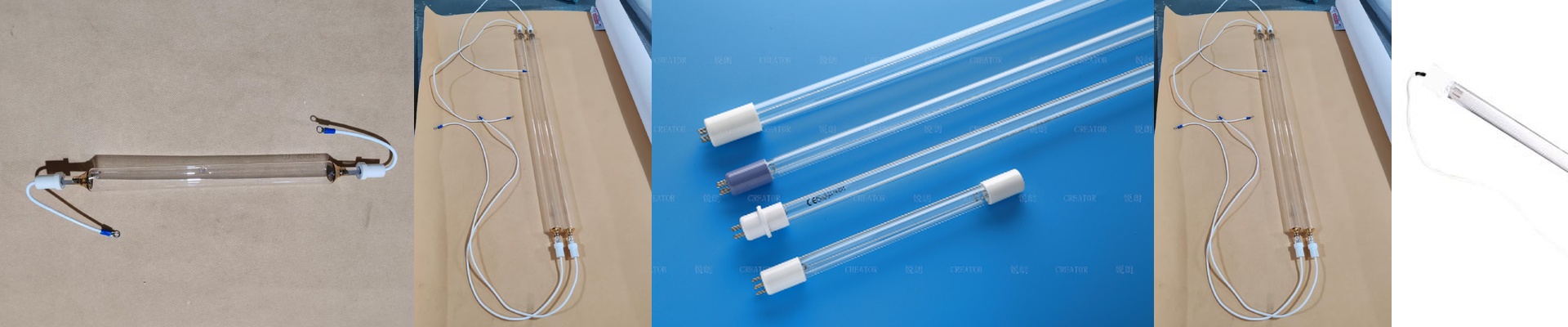
Most mercury lamps burn out way too fast because the electrodes just wear down. It’s a pain. To fix this, we tweaked the chemistry in the cathodes using a modified tungsten-emissive blend. It basically stabilizes the arc discharge. The result? Your UV intensity stays steady for a lot longer. You won’t find yourself swapping out tubes every few hundred hours, which means less hazardous waste and way less downtime for your team.
The materials (and a quick warning)
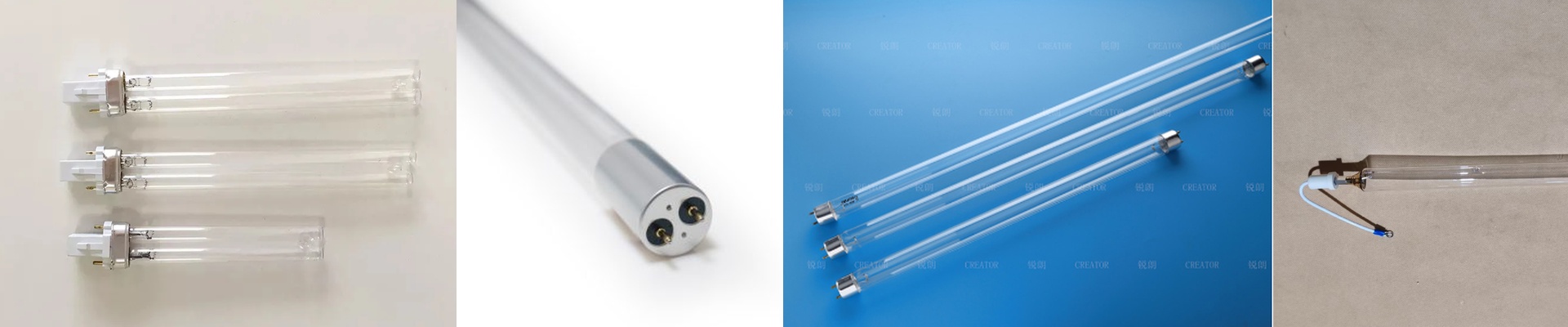
We took a hard look at the old-school UV glass and stripped out the toxic stabilizers. Now, we use high-purity synthetic quartz. It lets the UVC light through beautifully and doesn’t react chemically with anything. We’re also getting rid of the nasty additives in the housing and supports. But here’s the thing. These eco-friendly materials change how the lamp handles heat.These tubes run hot. Make sure your cooling fans or water-jackets are up to the task. If they aren’t, you risk warping the quartz, and nobody wants that.
Putting them to work
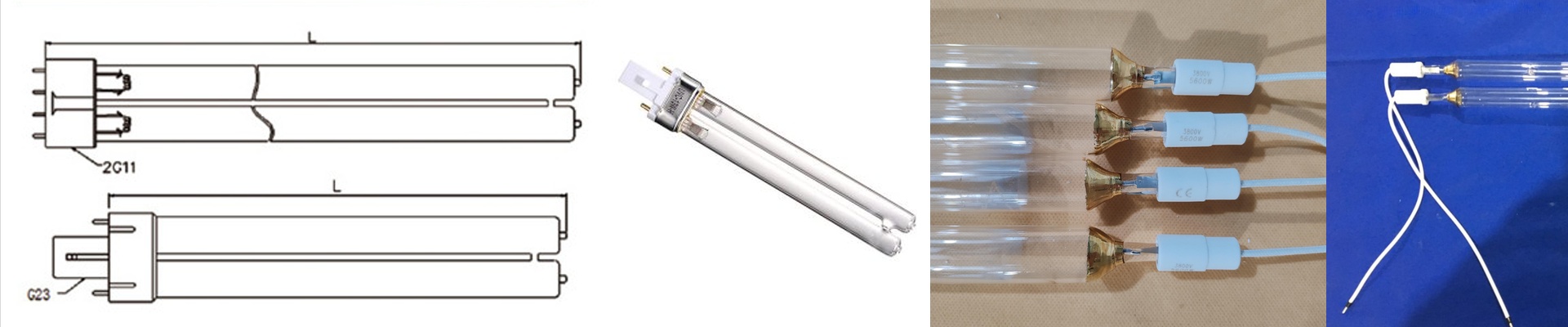
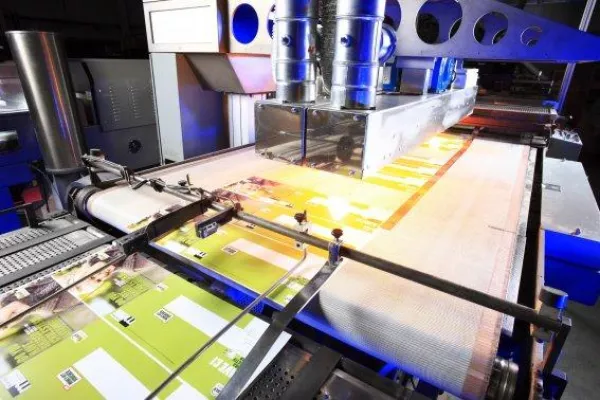
The good news is that these are drop-in replacements. We kept the footprints exactly the same, so you don’t have to mess with your wiring or move your reflectors around. It just fits. There is one small trade-off. Because they’re built to last, they take a few extra seconds to hit full power compared to those short-life, high-mercury versions. If you’re running a standard conveyor line, you probably won’t even notice. But you will notice a cleaner shop floor and a much smaller bill for hazardous waste disposal.