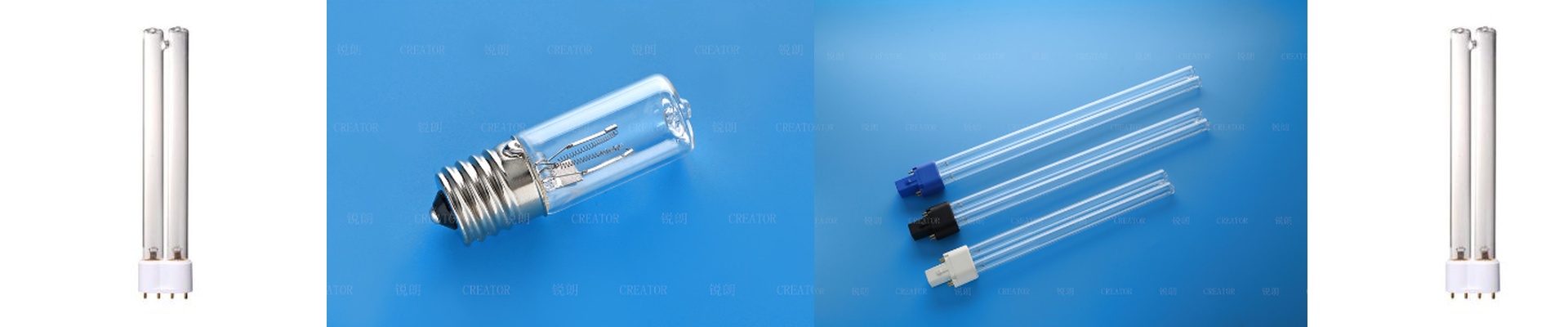
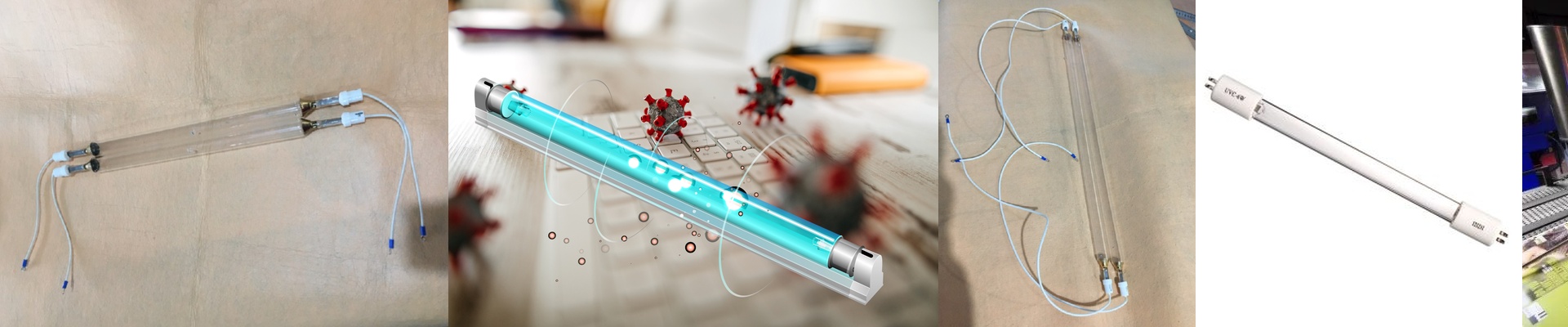
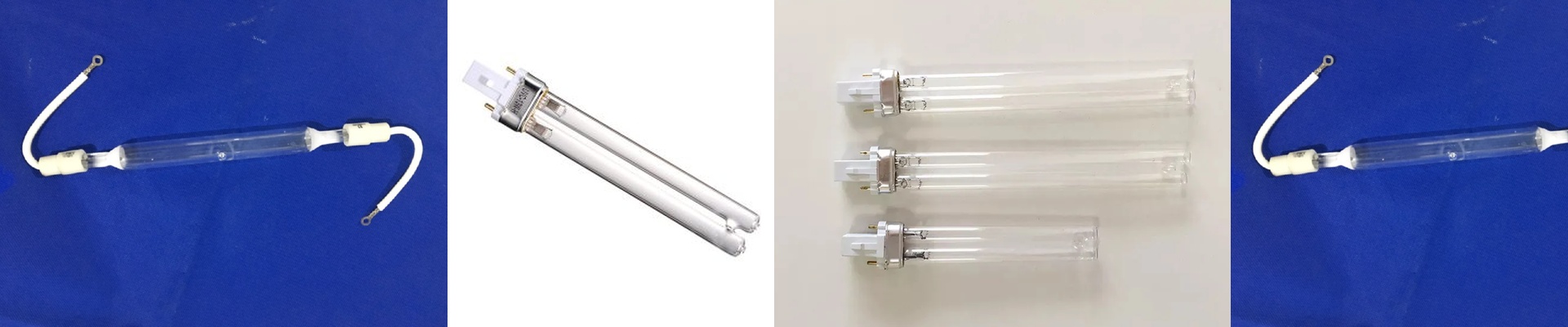
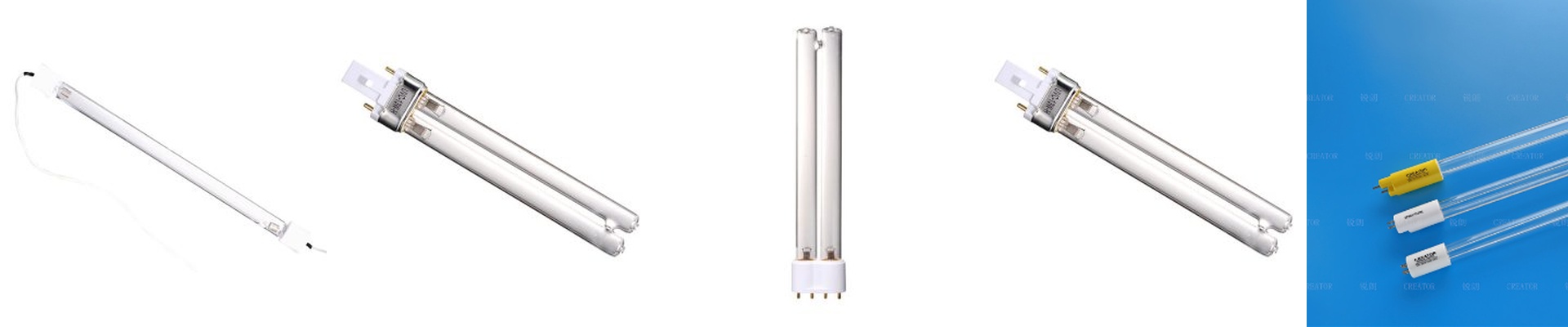
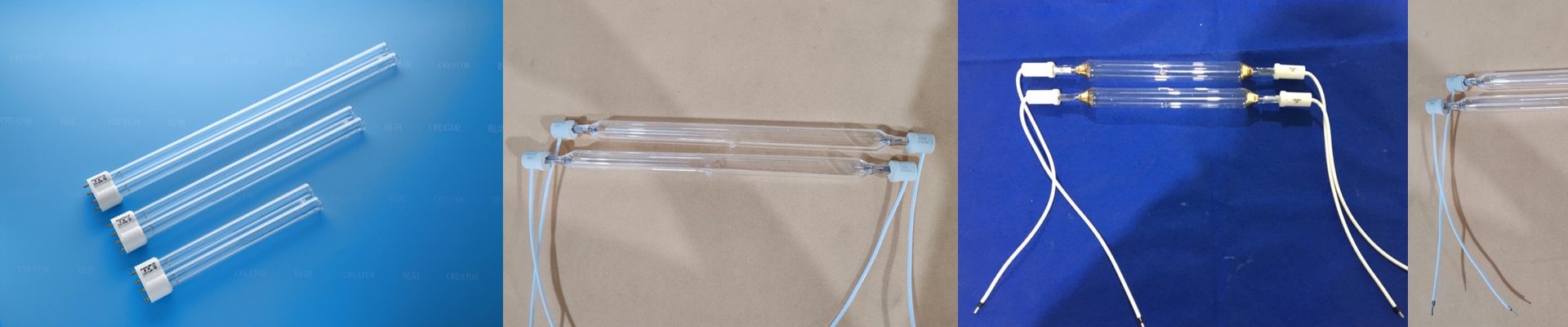
On the garment line, that sharp smell during flash isn’t just uncomfortable. It’s uncured volatiles bleeding out of the ink—residual monomers and solvents that should have been cross-linked. Drop the UV dose, and the print stays tacky, washfastness falls off, and emissions won’t pass scrutiny. What actually matters is spectral precision and the energy density you deliver. Our UV lamp for lab testing is built around a stable mercury vapor discharge, with a defined spectral output typically centered at 365 nm—matched to the photoinitiators most garment inks rely on. A high-reflectivity dichroic reflector concentrates the beam, giving you high peak irradiance right at the substrate surface. You get instant surface cure and deep-layer penetration in one pass. The ink cures through, not just on top. And in flash-drying workflows, that matters because the lamp hits the required mJ/cm² for complete conversion. That kills the odor at the source instead of trying to cover it up. Cycle times speed up because the curing window shrinks, cure depth stays consistent across thick deposits, and you see fewer rejects from under-cured edges. Power draw stays sensible, and lamp life holds up over long runs with stable output. Here’s what to watch for: check your fixture’s reflector geometry and shutter duty cycle, because sustained arc power can push reflector temperature up. The lamp has to match the printer’s curing station—aperture, focal distance, and cooling airflow—so the irradiance profile stays where it should be. Confirm it lines up with your ink’s photoinitiator absorption, then set cure speed by measuring spectral dose with a radiometer.
ในสายการผลิตเสื้อผ้า กลิ่นฉุนในช่วงแฟลชไม่ใช่แค่สร้างความไม่สบาย แต่เป็นการระเหยของสารระเหยที่ยังไม่ผ่านการบ่มออกมาจากหมึก—โมโนเมอร์และตัวทำละลายตกค้างที่ควรจะถูกเชื่อมโยงข้ามสายพันธุ์ หากลดปริมาณรังสี UV การพิมพ์จะยังเหนียวลื่น ความทนทานต่อการซักลดลง และการปล่อยสารจะไม่ผ่านการตรวจสอบ
สิ่งที่สำคัญจริง ๆ คือความแม่นยำของสเปกตรัมและความหนาแน่นของพลังงานที่คุณส่งออกไป หลอด UV สำหรับทดสอบในห้องปฏิบัติการของเราถูกออกแบบโดยใช้การปล่อยไอปรอทที่เสถียร พร้อมสเปกตรัมที่กำหนดไว้มักจะอยู่ที่ 365 nm — ซึ่งตรงกับฟอตอนไอโนไทเซอร์ที่หมึกเสื้อผ้าส่วนใหญ่ใช้ ตัวสะท้อนแสงดิคโครอิกที่มีค่าการสะท้อนสูงจะรวมแสงให้มีความเข้มสูงสุดที่ผิววัสดุ
คุณจะได้การบ่มพื้นผิวทันทีและการซึมลึกของชั้นหมึกในครั้งเดียว หมึกจะบ่มครบทั้งชั้น ไม่ใช่แค่ด้านบน
และในกระบวนการอบแห้งแบบแฟลช สิ่งนี้สำคัญเพราะหลอดให้ค่าพลังงานที่ต้องการในหน่วย mJ/cm² เพื่อการเปลี่ยนสภาพสมบูรณ์ ซึ่งจะกำจัดกลิ่นตั้งแต่ต้นทางแทนที่จะพยายามปกปิด เวลาในแต่ละรอบจึงเร็วขึ้นเนื่องจากช่วงเวลาการบ่มสั้นลง ความลึกในการบ่มยังคงสม่ำเสมอในชั้นหมึกหนา และมีของเสียจากขอบที่บ่มไม่สมบูรณ์ลดลง การใช้พลังงานยังอยู่ในระดับที่สมเหตุสมผล และอายุหลอดยังคงทนต่อการใช้งานระยะยาวโดยมีความเสถียรของแสงที่คงที่
สิ่งที่ต้องตรวจสอบคือ รูปทรงของตัวสะท้อนแสงและรอบการเปิดปิดของชัตเตอร์ในอุปกรณ์ของคุณ เพราะการจ่ายพลังงานโค้งไฟอย่างต่อเนื่องอาจทำให้อุณหภูมิของตัวสะท้อนแสงสูงขึ้น หลอดต้องตรงกับสถานีบ่มของเครื่องพิมพ์ — ขนาดรูรับแสง ระยะโฟกัส และการไหลของลมระบายความร้อน — เพื่อให้โปรไฟล์การฉายรังสีอยู่ในตำแหน่งที่ถูกต้อง ยืนยันว่าตรงกับการดูดซับของฟอตอนไอโนไทเซอร์ในหมึกของคุณ จากนั้นตั้งความเร็วการบ่มโดยวัดปริมาณสเปกตรัมด้วยเรเดียมิเตอร์