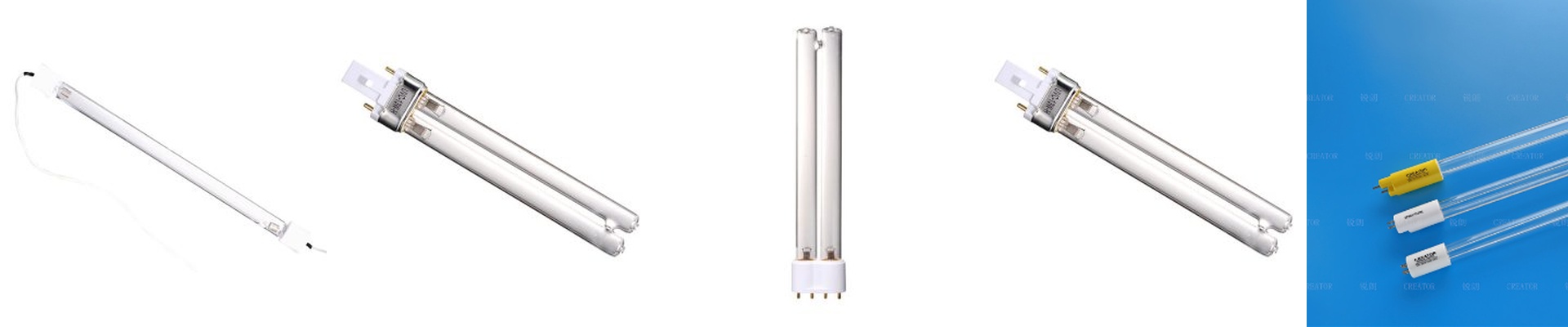

Out on the floor, the wash test comes back and the print is cracked. The line stops, the rework stacks up, and nine times out of ten the trail leads straight back to the UV lamp. If the irradiance isn’t there, the ink layer cures on top and stays soft underneath—photoinitiators never drive the cross-linking far enough, so cohesion collapses under agitation. You need depth, not just a dry skin. What actually matters under the hood We run laboratory-grade UV lamps in industrial curing because output stability is what separates a pass from a failure. A stable mercury vapor spectrum, centered at 365 nm, gives predictable excitation across the photoinitiators we use every day. Peak irradiance at the substrate plane has to be high enough to deliver the required energy density in mJ/cm² through the full ink film thickness. Reflectors with dichroic coatings shape the spectral envelope, maximizing usable UV and cutting down on IR heat. The lamp system holds intensity within ±3% over its rated life, and we’ve got units running 5,000+ hours with less than 5% output drop. And here is why that translates on apparel lines. Wash resistance doesn’t come from surface hardness—it comes from complete cross-linking through the entire ink layer. With higher, more stable irradiance, the cure profile penetrates deeper. No more skinning over while the bottom stays wet. Adhesion to textile fibers holds up through repeated laundering. The payoff is fewer wash failures, less scrap, and cycle times that stay consistent shift after shift. Energy use per cured square meter goes down, too, because better reflector efficiency and spectral match mean fewer wasted wavelengths. A few shop-floor realities. High-intensity UV lamps run hotter, so you need controlled airflow and precise fixture alignment to keep the substrate plane at the designed working distance. Ozone-free variants make ventilation simpler, but thermal management is still mandatory. Make sure the lamp is compatible with your curing module—reflector geometry and power supply included—and confirm the spectral output against your ink’s photoinitiator absorption curve. Treat irradiance like any other process parameter: map it, log it, and control it.
در خط تولید، وقتی آزمایش شستشو انجام میشود، چاپ ترکخورده برمیگردد. خط متوقف میشود، بازکارها انباشته میشوند و در نُه مورد از ده مورد، ریشه مشکل مستقیماً به لامپ UV برمیگردد. اگر شدت تابش کافی نباشد، لایه جوهر فقط روی سطح خشک میشود و زیر آن نرم باقی میماند—فتواینیشییتورها هرگز واکنش پیوند متقاطع را به طور کامل پیش نمیبرند، بنابراین چسبندگی تحت حرکت و تکانخوردن از بین میرود. نیاز به نفوذ عمقی است، نه فقط یک پوست خشک روی سطح.
آنچه واقعاً اهمیت دارد
ما از لامپهای UV با کیفیت آزمایشگاهی در فرآیندهای صنعتی پخت استفاده میکنیم، زیرا پایداری خروجی است که تفاوت بین قبول شدن و رد شدن را تعیین میکند. طیف پایدار بخار جیوه با مرکزیت طول موج 365 nm، برانگیختگی قابل پیشبینی در بین فتواینیشییتورهایی که روزانه استفاده میکنیم را تضمین میکند. شدت تابش در صفحه زیرلایه باید به اندازه کافی بالا باشد تا چگالی انرژی مورد نیاز را در واحد mJ/cm² در ضخامت کامل فیلم جوهر منتقل کند. بازتابندههایی با پوشش دایکرویک، طیف تابشی را شکل میدهند، بیشینه UV قابل استفاده را افزایش داده و گرمای مادون قرمز را کاهش میدهند. سیستم لامپ شدت نور را در طول عمر اسمی خود در حدود ±3% ثابت نگه میدارد و ما نمونههایی داریم که بیش از 5,000 ساعت کار کردهاند و افت خروجی آنها کمتر از 5% بوده است.
و این موضوع در خطوط تولید پوشاک به شکل زیر نمود پیدا میکند:
مقاومت در برابر شستشو ناشی از سختی سطح نیست—بلکه به دلیل پیوند متقاطع کامل در کل لایه جوهر است. با افزایش شدت تابش پایدار، الگوی پخت عمیقتر نفوذ میکند. دیگر اثری از خشک شدن سطح در حالی که زیر جوهر مرطوب باقی میماند، وجود ندارد. چسبندگی به تارهای نساجی در طول شستشوهای مکرر حفظ میشود. نتیجه آن کاهش خطاهای شستشو، کاهش مواد دورریز و ثبات زمان چرخه تولید در شیفتهای متوالی است. مصرف انرژی به ازای هر متر مربع پختشده نیز کاهش مییابد، چرا که بازتابندههای کارآمدتر و تطابق طیفی بهتر موجب کاهش طول موجهای هدررفته میشود.
چند واقعیت در کف کارخانه:
لامپهای UV با شدت بالا داغتر میشوند، بنابراین لازم است جریان هوا کنترل شده و تراز دقیق تجهیزات رعایت شود تا صفحه زیرلایه در فاصله کاری تعیینشده قرار گیرد. نمونههای بدون اوزون تهویه را سادهتر میکنند اما مدیریت حرارتی همچنان الزامی است. مطمئن شوید لامپ با ماژول پخت شما سازگار است—شامل هندسه بازتابنده و منبع تغذیه—و خروجی طیفی آن را با منحنی جذب فتواینیشییتور جوهرتان تطبیق دهید. شدت تابش را مانند هر پارامتر فرآیندی دیگر رصد، ثبت و کنترل نمایید.