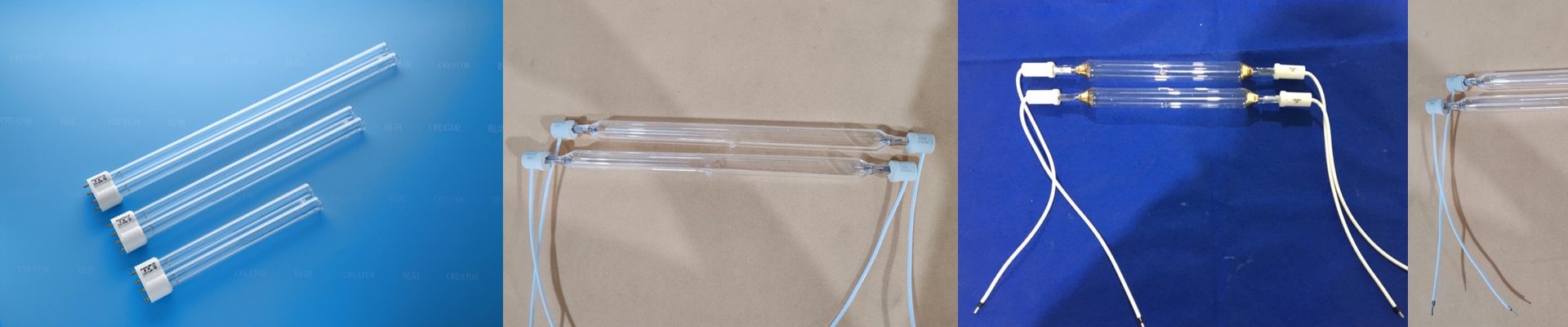
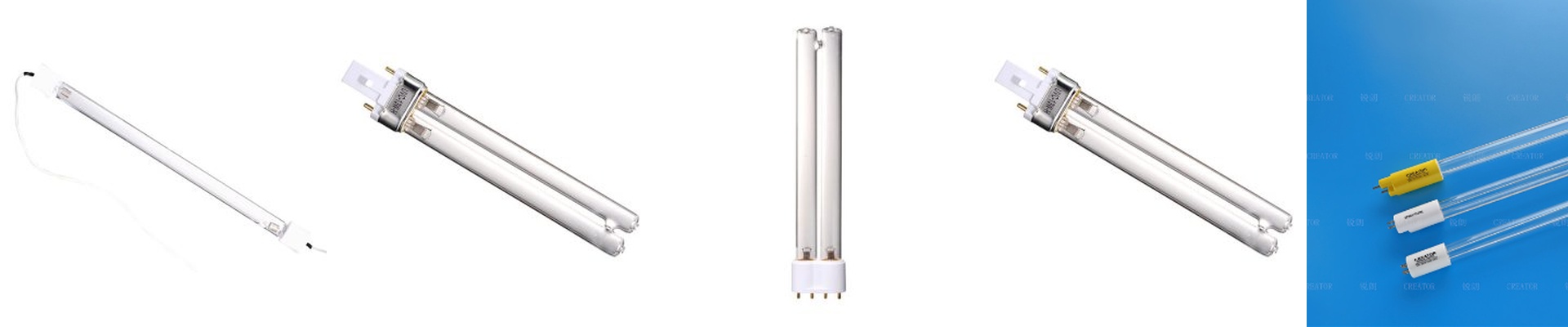
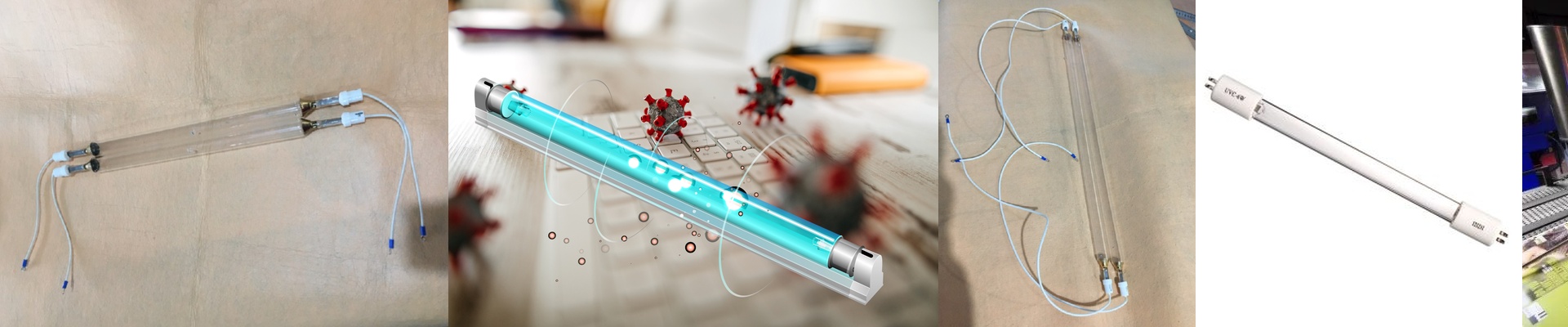
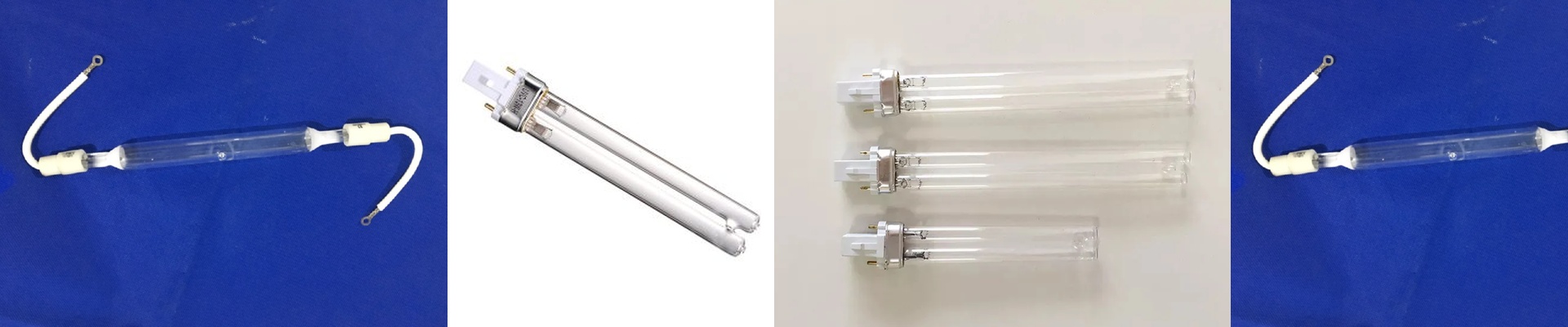
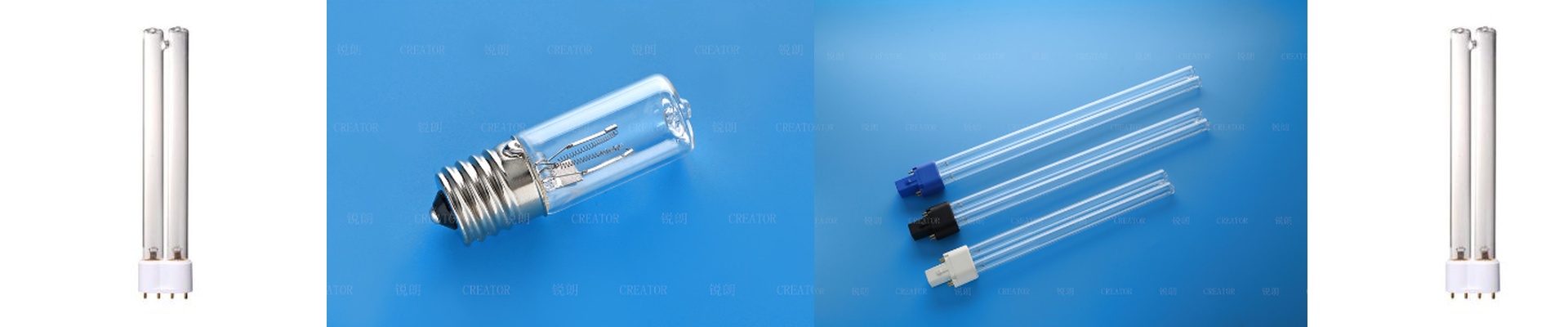
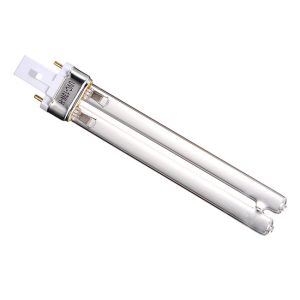
In the lab or on the press, the line between a clean run and a pile of scrap often comes down to one thing: delivering the right photon energy at the exact wavelength the photoinitiator needs. That’s why we build ultraviolet high-pressure mercury lamps the way we do—to turn spectral control into real, repeatable process control. What matters, technically Our lamps lock in a stable spectral output anchored at 365nm, with strong mercury lines at 313nm and 405nm. That’s exactly what hybrid formulations need to get a fast surface cure and still drive deep through-cure. Peak irradiance hits 2,500 mW/cm², and we hold drift under ±2% over 2,000 hours, thanks to the quartz envelope and precision-doped electrodes. Power density is matched to industrial duty cycles, so arc stability stays solid even at 120W/cm. The reflector stack uses a dichroic coating to shape the beam and keep IR heat load down—substrates stay cool while the curing energy stays high. Why it works in real production On the floor, you don’t need guesswork. You need cross-linking you can count on, job after job. Our 365nm-dominant output lines up with the photoinitiators most common in offset, flexo, and screen UV inks, so you speed up cure without sacrificing adhesion. The lamp hits target dose faster, which pushes throughput up, and spectral stability keeps cure windows tight—fewer rejects. Energy use drops too, because the reflector system puts usable UV where it matters. Here are a few shop-floor notes These lamps are ozone-free, but they still need disciplined thermal management and steady airflow to hold junction temperature and prevent output from falling off early. They drop into standard UV systems, but alignment tolerances are tight—verify reflector focus and lamp position at startup with a spectral radiometer. Under typical duty cycles, expect 2,000–3,000 hours of usable life. Output will taper over time, so schedule intensity checks against your minimum dose requirements.